Claude Sonnet 4.6 has been released, and it did so without much fanfare.
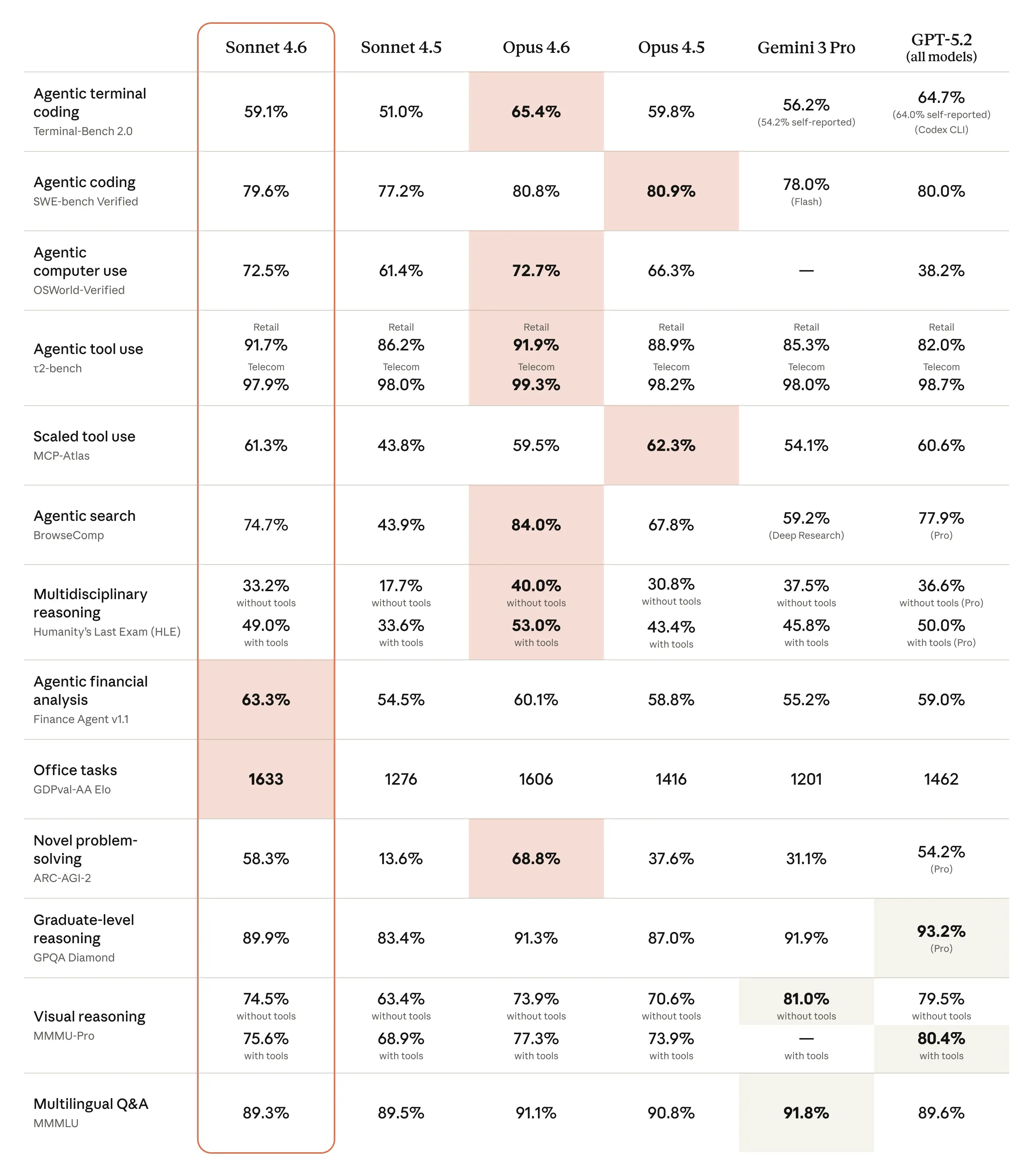
In benchmarks it is a very interesting model, competing with the previous version of Opus (4.5) while being significantly cheaper.
We have been testing it over the past couple of days, and here are our conclusions and tips:
- If you don't have the thinking effort set to maximum with Sonnet 4.6, it falls far behind. It is essential to configure the thinking effort to maximum to unlock the model's real potential.
- In Claude Code, Opus 4.6 gives better results for planning. When it comes to designing the architecture and implementation steps, Opus remains superior.
- Opus 4.6 is also better for implementing the plan, but the difference is not as big. The gap between both models narrows significantly during the implementation phase.
- That small difference makes using Sonnet for implementation more attractive due to its lower cost. The cost savings are significant without losing too much quality.
- Therefore, Opus 4.6 for planning and Sonnet 4.6 for implementing. This is the combination giving us the best quality-to-price ratio.
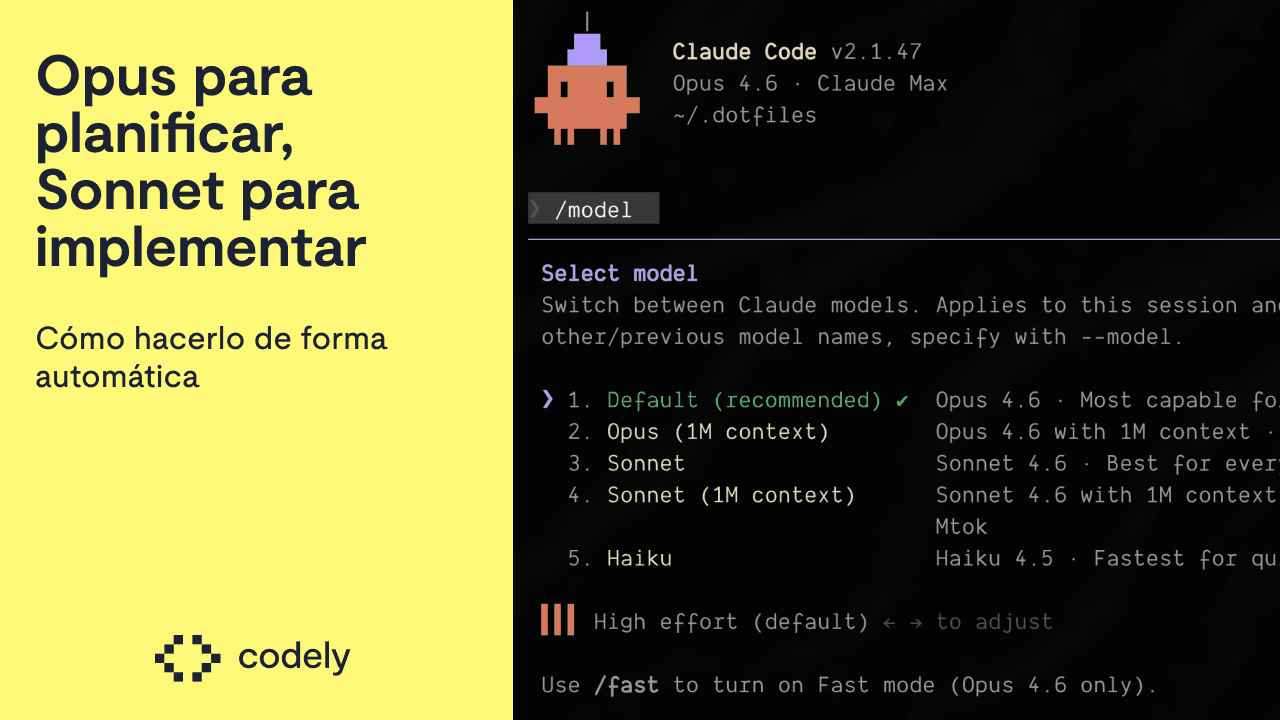
- In Claude Code this can be automated with a not-well-documented configuration. In a Claude Code session, type
/model opusplan, this way Opus will only be used for plans and Sonnet for everything else.
We are getting used to a very high level of intelligence from models. If Sonnet 4.6 had been released 3 months ago it would have been a revolution. Today it has been an incremental improvement.